
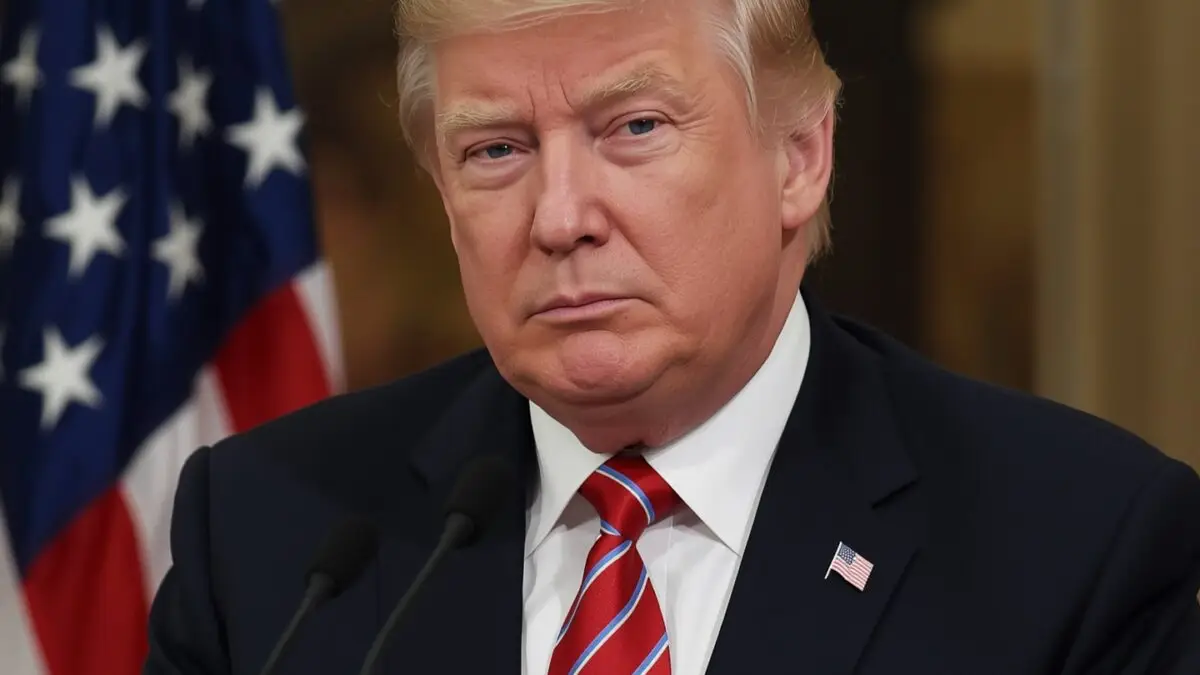

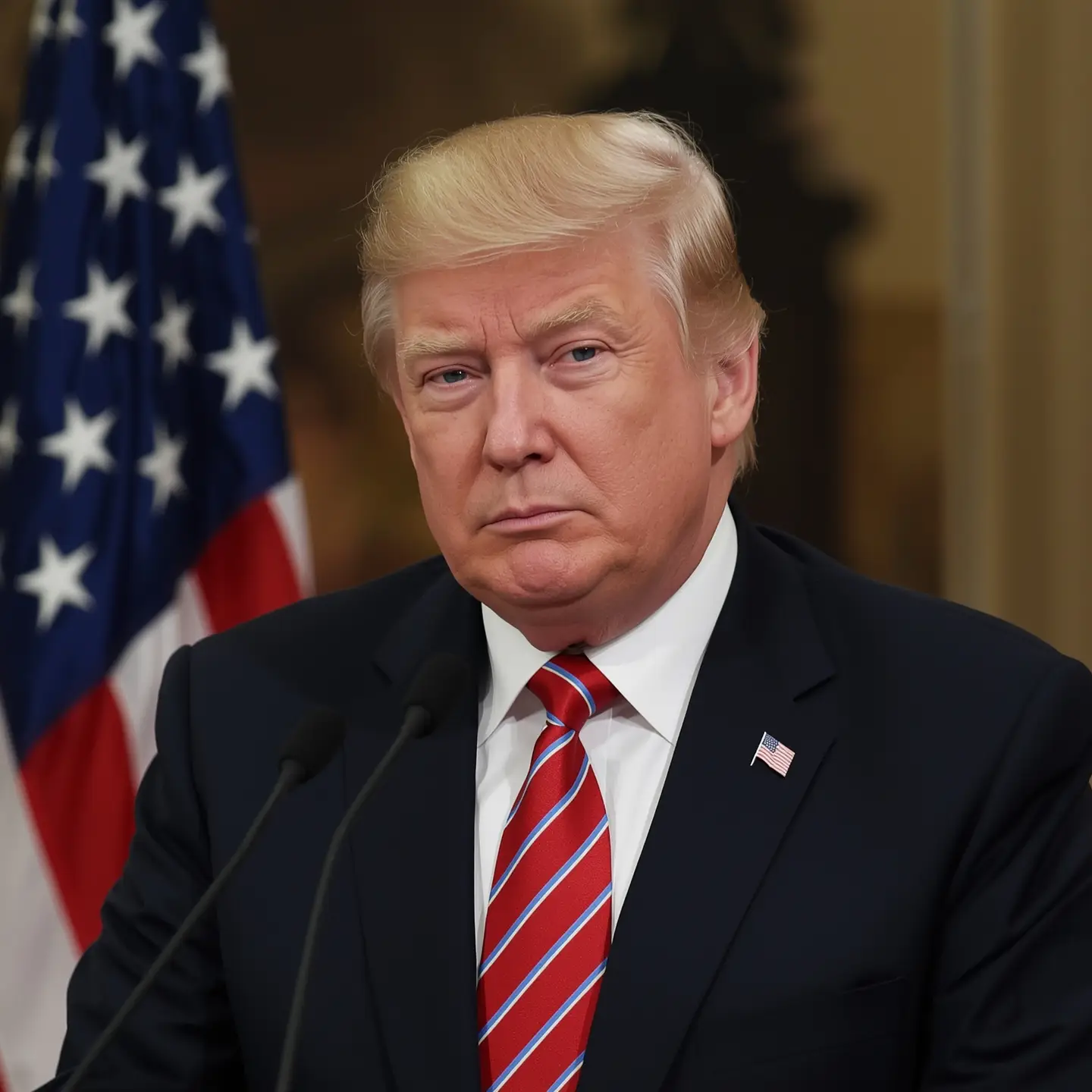
In a series of high-level discussions that have drawn considerable international attention, the United States and Ukraine engaged in “intense” talks centered on the post-war borders that will define the region following ongoing conflicts. These negotiations in 2024 underscore the critical importance of territorial integrity, security arrangements, and diplomatic strategy in shaping the future of Eastern Europe.
Related: U.S. Halts All Asylum Decisions and Pauses Visa Processing for Afghan Nationals
Related: The Emerging MAGA Fractures: Understanding the Divisions Within a Political Movement
Related: The Next Big Battleground Test: A Wisconsin Race That Has Tortured Republicans
Background: The Context of U.S.-Ukraine Relations Amid Ongoing Conflict
The relationship between the United States and Ukraine has evolved dramatically since the onset of conflict in Ukraine. The war has not only tested Ukraine’s resilience but has also forced global powers to reconsider strategic alliances and security policies. Throughout 2024, the U.S. has maintained a strong position as a key supporter of Ukraine’s sovereignty, providing diplomatic, economic, and military assistance.
Against this backdrop, discussions about post-war borders have become a focal point due to the implications for international law, national sovereignty, and regional stability. The talks reflect both countries’ recognition that the resolution of territorial disputes will be crucial to achieving long-term peace.
The Core Focus: Post-war Borders and Territorial Integrity
The primary topic dominating the U.S.-Ukraine dialogue has been the configuration of Ukraine’s borders following the cessation of hostilities. This includes contested regions that have experienced shifts in control during the conflict, areas with significant historical and cultural importance, and zones that are strategically vital to national security.
Key issues discussed include:
- Recognition of Sovereignty: Ukraine’s insistence on restoring and maintaining its internationally recognized borders, emphasizing legal and diplomatic norms.
- Security Guarantees: Discussion on mechanisms to ensure that Ukraine’s borders remain secure against future aggression, potentially involving international peacekeeping or security frameworks.
- Humanitarian Concerns: Addressing the status and rights of populations in disputed territories, including internally displaced persons and refugees.
- Economic and Infrastructure Rebuilding: Planning for reconstruction in border areas affected by the conflict, highlighting the need for international aid and cooperation.
Implications for Regional and Global Geopolitics
The outcome of these talks will have far-reaching implications beyond Ukraine’s borders. Eastern Europe remains a geopolitical hotspot, with neighboring countries and global powers closely monitoring developments.
Several factors underscore the broader significance:
- European Security Architecture: The resolution of border issues in Ukraine could recalibrate security alliances, impacting NATO’s posture and the European Union’s role in regional stability.
- Great Power Competition: The U.S.-Ukraine dialogue is viewed within the larger contest involving Russia, China, and other influential actors seeking to shape the post-war order.
- Precedent Setting: Agreements reached could serve as precedents for handling similar territorial conflicts globally, influencing international norms and conflict resolution strategies.
Challenges and Obstacles in Negotiations
Despite progress, the talks face significant challenges. The complexity of the territorial disputes, combined with deep-seated historical grievances and differing geopolitical interests, complicates efforts to reach consensus.
Some of the notable obstacles include:
- Disputed Claims: Overlapping claims to regions with mixed ethnic populations and contested historical narratives.
- Security Concerns: Ukraine’s need for credible security guarantees conflicts with the distrust among various stakeholders.
- International Pressure: Balancing the demands and influence of external actors who have vested interests in the outcome.
- Domestic Political Dynamics: Both U.S. and Ukrainian leaders must navigate internal political pressures that impact negotiation flexibility.
Expert Insights: Perspectives from International Relations Analysts
Experts in international relations and security studies emphasize that the intensity of the U.S.-Ukraine talks reflects the broader challenges of conflict resolution in a multipolar world.
Key expert observations include:
- Strategic Patience: Analysts suggest that while progress may be slow, sustained diplomatic engagement is crucial to avoid escalation and build lasting frameworks.
- Role of Multilateral Institutions: The involvement of organizations such as the United Nations and the Organization for Security and Co-operation in Europe (OSCE) may provide neutral platforms for monitoring and enforcement.
- Balancing Sovereignty and Security: Experts highlight the delicate balance between upholding Ukraine’s territorial integrity and addressing Russia’s security concerns to reduce tensions.
- Economic Reconstruction as a Peace Incentive: Effective rebuilding efforts could incentivize cooperation and stabilize contested regions.
Consumer Impact and Broader Societal Implications
The outcomes of the border talks will not only shape diplomatic relations but also directly affect the lives of millions of people in Ukraine and neighboring countries.
Potential impacts include:
- Displaced Populations: Clarification of borders may facilitate the return of displaced persons and refugees, improving humanitarian conditions.
- Economic Opportunities: Stability in border regions could revitalize local economies, attracting investment and rebuilding infrastructure.
- Security and Safety: Clear and respected borders reduce the risk of future conflicts, enhancing public safety and confidence.
Forward-Looking Analysis: What Lies Ahead?
As 2024 progresses, the trajectory of U.S.-Ukraine talks on post-war borders will be a critical indicator of the broader peace process. Several scenarios are possible:
- Incremental Agreements: Step-by-step progress could pave the way for comprehensive peace accords, supported by international guarantees.
- Stalemate and Continued Tensions: Persistent disagreement may prolong instability, requiring renewed diplomatic initiatives and mediation.
- Expanded Multilateral Engagement: Increased involvement by global actors and institutions could enhance legitimacy and enforcement of agreements.
Ultimately, the success of these talks depends on the political will of involved parties and their commitment to a peaceful resolution that respects sovereignty and security needs.
Conclusion
The “intense” U.S.-Ukraine talks focusing on post-war borders represent a pivotal moment in addressing one of the most challenging geopolitical conflicts of the current era. The discussions are not only about territory but also about shaping a durable peace and stable security framework in Eastern Europe.
While obstacles remain significant, the engagement between the United States and Ukraine signals a continued commitment to diplomacy and the pursuit of solutions grounded in international law and mutual respect. The world watches closely as these talks unfold, recognizing their potential to influence regional stability and the international order for years to come.
