
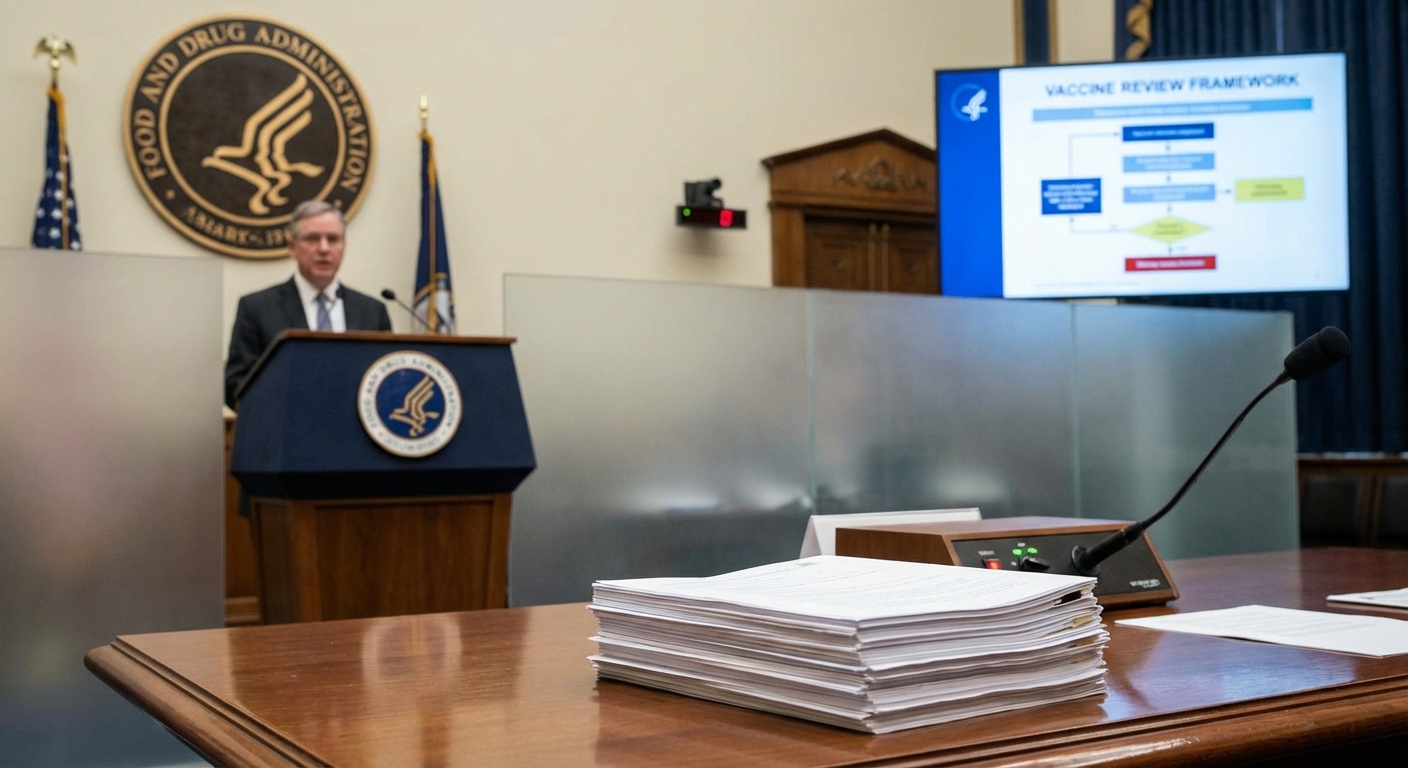

FDA Official Proposes Changes to Vaccine Approval Process Amid Claims of Covid-19 Vaccine-Linked Child Deaths
A senior official within the U.S. Food and Drug Administration (FDA) has recently announced plans to reevaluate and potentially change the vaccine approval process. This move follows claims suggesting a possible link between Covid-19 vaccinations and child fatalities. The announcement, which emerged within the last 24 hours, has ignited considerable discussion among medical experts, regulatory authorities, and public health advocates regarding vaccine safety protocols and the robustness of current approval standards.
Related: WHO Recommends GLP-1 Drugs for Obesity Management
Related: WHO Warns of Immunisation Strategy Gaps Amid Measles Outbreaks
Related: FDA Official Proposes Changes to Vaccine Approval Process Amid Child Safety Concerns
Background on Vaccine Approval Standards
The FDA’s vaccine approval process is widely regarded as one of the most rigorous globally, involving multiple phases of clinical trials and extensive safety monitoring. Vaccines undergo:
- Preclinical testing to establish initial safety and immune response in laboratory and animal studies.
- Phase 1, 2, and 3 clinical trials to assess safety and efficacy in progressively larger groups of human volunteers.
- Post-authorization surveillance to monitor adverse events once vaccines are in widespread use.
Throughout the Covid-19 pandemic, emergency use authorizations expedited vaccine availability while maintaining safety thresholds. However, the evolving nature of the virus and vaccine technology has led to ongoing reassessment of regulatory frameworks.
Details of the FDA Official’s Proposal
The FDA official, whose identity remains undisclosed, has expressed concerns regarding the current vaccine approval process, particularly as it pertains to pediatric populations. The official cited emerging data that they interpret as indicating possible fatal adverse events among children following Covid-19 vaccination. While the official stopped short of definitive causation claims, the remarks emphasize the need for enhanced scrutiny and possibly more stringent requirements for vaccine authorization in minors.
The proposed changes are expected to focus on:
- Strengthening pre-authorization safety data requirements specifically tailored to pediatric trials.
- Increasing transparency around adverse event reporting and investigation mechanisms.
- Implementing longer follow-up periods before approval to better capture delayed or rare side effects.
- Reassessing risk-benefit analyses with updated epidemiological data on Covid-19’s impact on children.
Contextualizing the Claims of Child Deaths
Claims that Covid-19 vaccines have caused child deaths are highly sensitive and require careful examination. Globally, health authorities have repeatedly emphasized that vaccines authorized for children have undergone rigorous testing and monitoring. Most adverse events reported have been mild and temporary.
It is important to distinguish between temporal associations and confirmed causal relationships. Health surveillance systems, such as the Vaccine Adverse Event Reporting System (VAERS), collect reports of health events following vaccination but do not establish causality. Independent reviews, epidemiological studies, and expert panels are essential to interpret such data accurately.
The FDA official’s statement underscores the necessity of ongoing vigilance, especially as public confidence in vaccination programs depends heavily on transparent and responsive safety oversight.
Implications for Public Health and Vaccine Confidence
Potential changes to the vaccine approval process could have significant ramifications for public health policy and communication:
- Public trust: Enhanced transparency and safety verification may bolster confidence among vaccine-hesitant populations.
- Vaccine rollout timelines: Stricter and lengthier approval procedures might delay availability of vaccines for children during critical periods of viral transmission.
- Regulatory precedents: The FDA’s approach could influence global standards and practices concerning pediatric vaccine evaluation.
- Industry impact: Vaccine developers may need to adjust trial designs and data collection methods to meet new regulatory expectations.
Expert Insights on the Proposed Changes
Experts from various sectors provide a nuanced perspective on the FDA official’s proposal. Regulatory scientists note that evolving scientific understanding of Covid-19 and vaccine safety justifies periodic reassessment of approval processes. They highlight that vaccine development is a dynamic field where adaptive regulation can enhance safety without compromising efficacy.
Immunologists emphasize the importance of balancing risk and benefit, particularly in children who generally experience milder Covid-19 symptoms but can still suffer severe outcomes. They suggest that longer-term safety data is valuable but caution against delaying access to vaccines that prevent infection and reduce transmission.
Public health communicators stress the critical role of clear messaging to avoid misinformation and panic. They recommend that regulatory agencies engage transparently with the public, explaining the scientific rationale behind any changes and contextualizing risks appropriately.
Consumer Impact and Considerations
For parents and caregivers, the FDA official’s announcement may prompt questions and concerns about vaccine safety for children. Key considerations include:
- Consulting healthcare providers: Individuals should seek advice from trusted medical professionals about vaccination decisions.
- Monitoring updates: Staying informed through credible sources about any changes in vaccine recommendations or approvals.
- Understanding risk profiles: Weighing the risks of Covid-19 infection against potential vaccine side effects with the guidance of experts.
Healthcare systems may also need to prepare for potential changes in vaccination schedules and communication strategies to address public concerns effectively.
Looking Ahead: Potential Developments in Vaccine Regulation
The FDA’s consideration of modifying vaccine approval protocols could trigger broader discussions about the regulatory landscape in the United States and internationally. Possible future developments include:
- Enhanced post-market surveillance: Leveraging real-world data analytics, electronic health records, and international collaboration to detect rare adverse events swiftly.
- Adaptive clinical trial designs: Incorporating innovative methodologies to accelerate safe and effective vaccine development.
- Stakeholder engagement: Involving patients, clinicians, and public health experts in regulatory decision-making processes.
- Policy harmonization: Aligning U.S. standards with global regulatory agencies to streamline vaccine approval pathways.
Conclusion
The announcement by an FDA official proposing changes to the vaccine approval process in light of concerns about Covid-19 vaccine safety in children marks a pivotal moment in public health regulation. While the claims warrant thorough investigation, it is essential to approach the matter with scientific rigor and balanced analysis. The potential revision of approval protocols underscores the dynamic nature of vaccine safety oversight and the importance of maintaining public trust through transparency and evidence-based decision-making. As this story develops, close attention to regulatory updates and expert guidance will be critical for consumers and healthcare professionals alike.
